
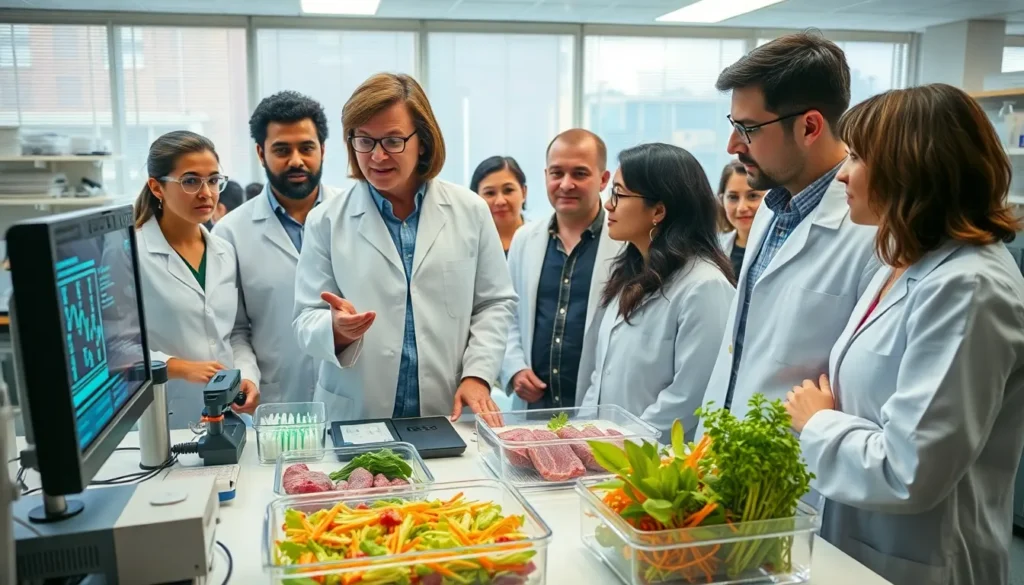
Biotech innovations are shaking things up in ways that would make even a mad scientist proud. From gene editing to lab-grown meat, these breakthroughs are not just reshaping medicine but also redefining how we think about food and sustainability. Imagine a world where crops are resistant to pests without a single pesticide in sight. Sounds like magic, right? Well, it’s all thanks to the wonders of biotechnology.
As these advancements continue to evolve, they promise to tackle some of the biggest challenges facing humanity. Whether it’s curing diseases or feeding a growing population, biotech is the secret sauce we didn’t know we needed. So buckle up and get ready to explore how these innovations are paving the way for a healthier, greener future. Who knew science could be this exciting?
Overview Of Biotech Innovations
Biotechnology innovations transform various sectors, particularly medicine and agriculture. Gene editing technologies such as CRISPR enable precise modifications in DNA sequences, leading to breakthroughs in disease treatment. This method enhances the ability to correct genetic defects responsible for serious health conditions.
Lab-grown meat represents another significant advancement, providing an alternative to traditional livestock farming. This innovation reduces environmental impact while meeting the growing demand for protein sources. Companies like Memphis Meats and Mosa Meat have demonstrated how cell-based products can deliver sustainable nutrition.
Advancements in personalized medicine make healthcare more tailored to individual needs. By analyzing genetic information, healthcare providers can customize treatments for patients, improving outcomes for chronic diseases. Companies leveraging this technology are paving the way for more efficient drug development processes.
Biotechnology also plays a crucial role in addressing food security. Innovations in agricultural biotech, such as genetically modified organisms (GMOs), increase crop yields while minimizing the use of pesticides. These efforts contribute to sustainable farming practices that can withstand climate change challenges.
Additionally, biopharmaceuticals hold promise in treating complex conditions. These products, derived from biological sources, provide effective solutions for diseases like cancer and autoimmune disorders. Investments in biotech companies are vital for ongoing research and development.
As regulatory frameworks evolve, they support the growth of biotech innovations. Policies promoting safe and efficient research create opportunities for companies focused on ethical practices. The intersection of innovation and regulation ensures that biotechnology continues to evolve responsibly.
Key Areas Of Biotech Innovations
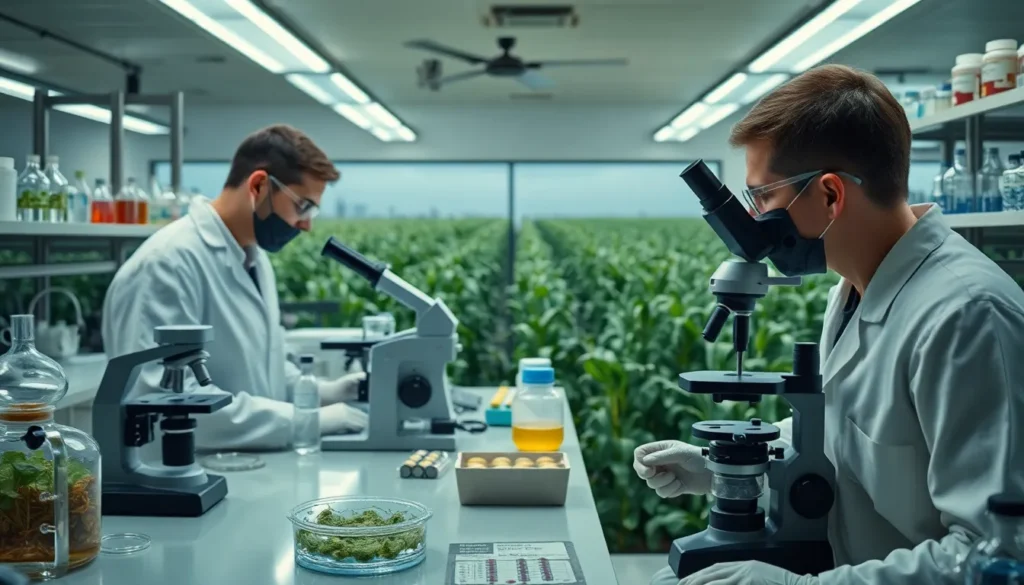
Biotechnology innovations are pivotal in reshaping healthcare and agriculture. These sectors experience remarkable advancements that address critical global issues.
Healthcare Applications
CRISPR technology enables precise gene editing, leading to breakthroughs in personalized medicine. Researchers create therapies targeting specific genetic disorders. Biopharmaceuticals play a key role in treating complex diseases, including cancer and autoimmune disorders. They provide new treatment options that significantly enhance patient outcomes. Innovations in regenerative medicine, such as stem cell therapy, offer potential cures for previously untreatable conditions. Personalized healthcare approaches emerge from genetic profiling, allowing tailored treatment plans that improve efficacy. These advancements represent a shift in how medicine is practiced, focusing on individual needs.
Agricultural Advancements
Biotechnology has revolutionized agriculture through genetically modified organisms (GMOs). Farmers witness increased crop yields and enhanced resistance to pests and diseases. Innovative techniques improve traits like drought tolerance, which is crucial in areas facing climate change challenges. Sustainable farming practices emerge from these advancements, reducing the reliance on chemical fertilizers and pesticides. Lab-grown meat presents a sustainable alternative to conventional livestock, decreasing environmental impact while addressing protein demands. These agricultural innovations contribute to food security globally, ensuring a stable food supply without overexploiting natural resources.
Impact On Society
Biotech innovations significantly influence various aspects of society, affecting healthcare, agriculture, and the economy. Their transformative potential reshapes daily living and addresses pressing global challenges.
Economic Growth
Biotechnology promotes economic growth by creating new industries and enhancing productivity. Innovative biomanufacturing processes, for example, contribute to job creation in research, development, and production. Increased crop yields from genetically modified organisms strengthen the agricultural sector, allowing farmers to meet rising food demands effectively. Investment in biotech startups fuels advancements, leading to breakthroughs that attract further funding and interest. Notably, the global biotech market is projected to reach $2 trillion by 2025, reflecting its economic significance. This growth not only bolsters the economy but also ensures the development of sustainable solutions to critical issues like food security and disease management.
Ethical Considerations
Ethical considerations surrounding biotechnology are paramount as societies navigate complex moral landscapes. Concern arises over genetic manipulation and the long-term effects on ecosystems and human health. Discussions about transparency in genetic editing and lab-grown meat emphasize consumer rights. Responsible communication regarding the benefits and risks of biotech innovations fosters public trust. Regulatory frameworks must evolve to address these ethical dilemmas, balancing innovation with human and environmental safety. By prioritizing ethical practices, stakeholders can ensure that biotechnology serves the greater good while minimizing potential adverse impacts.
Future Trends In Biotech Innovations
Emerging trends in biotechnology focus on personalized medicine and sustainability. Innovations in gene therapy and stem cell research promise to enhance treatment regimens tailored to individual patient profiles. Data from the National Institutes of Health highlights that gene therapy could potentially treat various inherited diseases, paving the way for more effective cures.
Advanced CRISPR applications continue to show potential beyond simple gene editing, enabling scientists to create disease-resistant crops. These developments directly contribute to agricultural sustainability by enhancing food production while minimizing environmental impact. Research indicates that GMOs can lead to a 20-30% increase in crop yields, particularly in pest-prone regions.
Artificial intelligence integration in biotech also represents a notable trend. AI assists in drug discovery, accelerating the identification of new therapeutic compounds. Statistics from a recent report state that AI adoption in medicine could reduce the time to market for new drugs by up to 30%.
The rise of lab-grown meat aligns with societal demands for sustainable food sources. This innovation could significantly reduce greenhouse gas emissions associated with traditional livestock farming. Surveys indicate that up to 60% of consumers are willing to try lab-grown alternatives, highlighting its potential market acceptance.
Ethics remain a critical focus as these innovations advance. Transparent communication about genetic editing’s implications fosters public trust and encourages responsible use of biotech. Ongoing discussions about regulatory frameworks will likely shape the future, ensuring accountability in this rapidly evolving field.
Overall, biotech innovations reflect a shift toward addressing global challenges more sustainably and effectively. Engaging stakeholders in dialogue enhances the understanding of these advancements, setting the stage for meaningful progress in medicine and agriculture.
Biotechnology innovations are shaping a new era in healthcare and agriculture. As advancements like gene editing and lab-grown meat continue to evolve, they promise to address some of the world’s most pressing challenges. The potential for personalized medicine and sustainable food sources is immense, paving the way for improved health outcomes and environmental stewardship.
While the benefits are significant, ongoing ethical discussions and regulatory considerations are crucial. Balancing innovation with safety will ensure that these technologies serve society responsibly. As the biotech landscape develops, it invites exploration of the transformative possibilities that lie ahead, ultimately contributing to a healthier and more sustainable future for all.


