
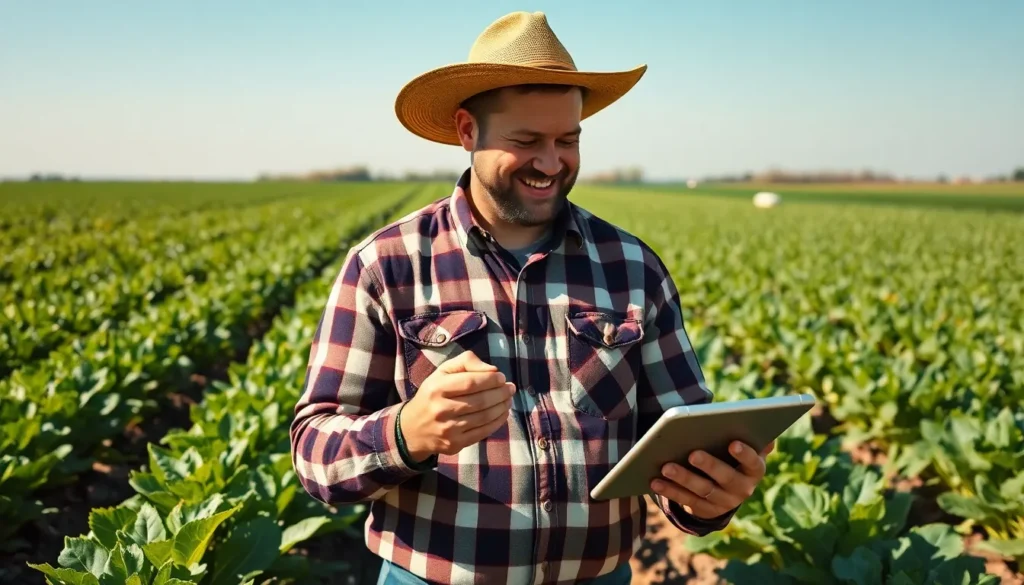
In a world where food production must keep pace with a growing population, biotechnology in agriculture is the superhero we didn’t know we needed. Imagine crops that can withstand droughts, pests, and diseases while still delivering delicious produce. It sounds like something out of a science fiction movie, but it’s happening right now, and it’s transforming the way we farm.
Overview of Biotechnology in Agriculture
Biotechnology in agriculture focuses on applying scientific techniques to enhance crop and livestock production. It uses genetic modification, molecular markers, and tissue culture for sustainable agricultural practices.
Definition and Key Concepts
Biotechnology involves manipulating living organisms to improve their traits or functions. Key concepts include genetic engineering, which alters an organism’s DNA to express desirable characteristics, and marker-assisted selection, where genetic markers help in identifying specific traits in crops. Techniques like tissue culture enable the propagation of plants under controlled conditions. These methods lead to increased yield, improved resistance to pests, and reduced reliance on chemical inputs.
Historical Context
The foundation of biotechnology in agriculture dates back to ancient practices such as selective breeding. Early farmers selected plants with favorable traits, unknowingly laying the groundwork for modern techniques. The discovery of DNA structure in 1953 paved the way for genetic engineering in the 1970s. By the 1990s, genetically modified crops entered the market, transforming agricultural landscapes. As research continues to evolve, biotechnology consistently drives innovations that address food security and environmental challenges.
Applications of Biotechnology in Agriculture
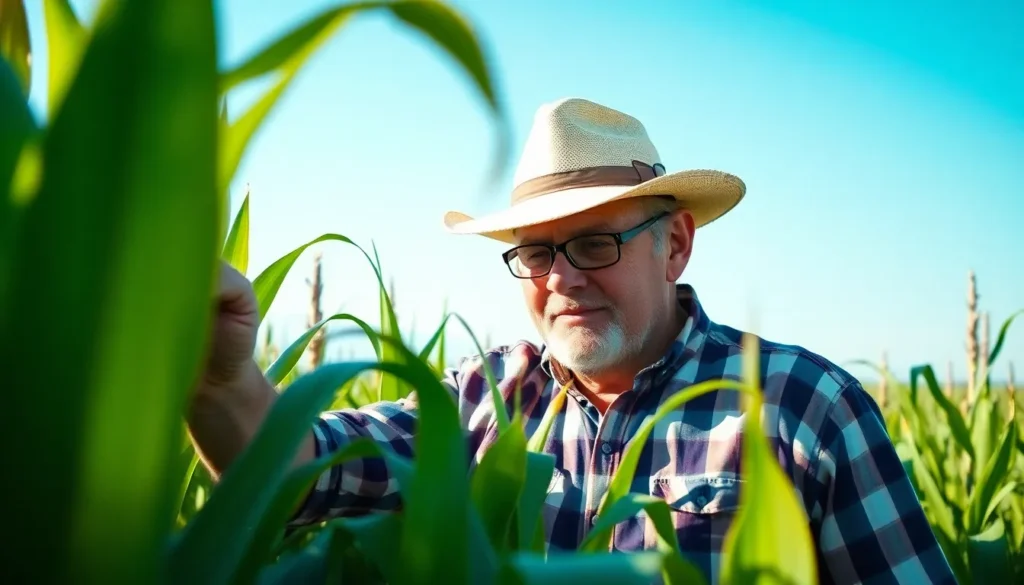
Biotechnology significantly transforms agriculture, enhancing productivity and sustainability through various applications.
Genetic Modification of Crops
Genetic modification of crops involves altering the DNA of plants to introduce desirable traits. This technique allows for the creation of crops that resist pests, tolerate drought, and withstand harsh environmental conditions. For instance, genetically modified corn shows resistance to specific insects, reducing the need for chemical pesticides. These innovations lead to higher yields and decreased production costs. Farmers benefit from improved crops, resulting in a more reliable food supply even in challenging circumstances. Notably, the adoption of genetically engineered varieties increased significantly since the 1990s globally, indicating broad acceptance and reliance on this technology.
Biopesticides and Biofertilizers
Biopesticides and biofertilizers represent sustainable alternatives to conventional chemicals in agriculture. Derived from natural organisms, biopesticides target pests without harming beneficial insects or the environment. They offer effective pest control while promoting ecological balance. Biofertilizers improve soil health by enhancing nutrient availability and supporting beneficial microbial activity. For example, certain strains of bacteria fix atmospheric nitrogen, enriching crops without synthetic fertilizers. The integration of biopesticides and biofertilizers into farming practices reduces chemical dependency, contributing to sustainable agricultural practices that protect ecosystems and support long-term productivity.
Benefits of Biotechnology in Agriculture
Biotechnology plays a vital role in enhancing agricultural practices, contributing significantly to food production and sustainability.
Increased Crop Yields
Enhanced genetic traits lead to significant crop yield increases. Studies show that genetically modified crops can yield 10 to 20 percent more than conventional varieties. Resilient crops withstand droughts, pests, and diseases, reducing crop loss. Farmers benefit from consistent harvests, allowing for better income stability. Adoption of biotechnology leads to more efficient use of land, enabling cultivation on previously unproductive areas. Innovative techniques such as gene editing further boost yields by accelerating the development of new varieties. These advancements ultimately provide a reliable food supply for a growing population.
Reduced Use of Chemical Inputs
Biotechnology contributes to a decreased reliance on chemical inputs in agriculture. Crops engineered for pest resistance lower the need for synthetic pesticides, which benefits the environment. This approach reduces application frequency and minimizes chemical runoff into ecosystems. Additionally, biopesticide use promotes natural pest control methods, enhancing ecological balance. Farmers report cost savings from reduced chemical purchases, resulting in more sustainable farming practices. Enhanced nutrient use efficiency with biofertilizers leads to improved soil health while decreasing overall fertilizer demands. Such innovations foster a healthier agricultural landscape with less chemical dependency.
Challenges and Concerns
Biotechnology in agriculture faces several challenges and concerns that require careful consideration.
Environmental Impact
Biotechnology’s influence on the environment presents both potential benefits and risks. Genetically modified crops may contribute to reduced chemical use, yet unintended consequences such as gene transfer to wild relatives can pose ecological threats. Pesticide-resistant crops might lead to the emergence of resistant pests, challenging integrated pest management strategies. Soil health could be impacted if certain biotechnological practices disrupt microbial communities. Monitoring ecosystems becomes crucial as the long-term effects of biotechnology on biodiversity and habitat integrity remain uncertain.
Ethical Considerations
Ethics surrounding biotechnology spark vigorous debates in society. The concern over food safety continues to dominate discussions, prompting calls for rigorous testing of genetically modified organisms. Public trust can waver when transparency in biotechnology practices isn’t prioritized. Furthermore, the potential for intellectual property issues complicates access to biotechnology for small farmers, raising equity concerns. Informed consent becomes vital in ensuring consumers understand the implications of genetically modified foods. Addressing these ethical questions helps foster public acceptance and informed decision-making regarding biotechnological advancements.
Future Trends in Biotechnology in Agriculture
Biotechnology continues evolving, shaping the future of agriculture. Emerging technologies promise to enhance productivity and sustainability.
Emerging Technologies
CRISPR technology stands out in genetic editing by enabling precise modifications to crop DNA. This technique accelerates the development of traits like disease resistance and increased nutritional value. Synthetic biology offers another innovative approach, allowing scientists to design organisms that produce beneficial substances such as biofuels and pharmaceuticals. Innovations in bioinformatics streamline the analysis of genetic data, improving breeding strategies and field performance predictions. Additionally, vertical farming integrates biotechnology with urban agriculture, optimizing space and resource use while meeting local food needs.
Potential Impacts on Food Security
Advancements in biotechnology can significantly address food security challenges. Genetically modified crops exhibit increased resilience to climate change, which can ensure stable food production. Farmers can benefit from higher yields, which may be 10 to 20 percent above traditional varieties. Enhanced agricultural efficiency contributes to better food distribution and access. Biotechnology’s role in reducing crop losses from pests and diseases supports a more reliable food supply chain. Furthermore, innovations in biofertilizers and biopesticides promote sustainable farming practices, ensuring that environmental health supports continuous food production.
Biotechnology stands at the forefront of agricultural innovation. Its ability to enhance crop resilience and improve yields is vital in addressing the challenges posed by a growing global population. The integration of advanced techniques such as CRISPR and synthetic biology paves the way for sustainable farming practices that not only boost productivity but also protect the environment.
As the agricultural landscape continues to evolve, embracing biotechnology will be crucial for ensuring food security and ecological balance. Navigating the ethical considerations and environmental impacts will be essential for fostering public trust. The future of agriculture lies in leveraging these advancements to create a more sustainable and resilient food system.


