

In a world where technology evolves faster than a caffeinated squirrel, finding compatible hardware can feel like searching for a needle in a haystack. Whether upgrading a gaming rig or piecing together a home office setup, the right components can make or break the experience. After all, no one wants to discover their shiny new graphics card is about as useful as a chocolate teapot when paired with outdated equipment.
Understanding Compatible Hardware
Compatible hardware refers to components that work seamlessly together within a computer system. Choosing compatible pieces is crucial for achieving the desired performance and efficiency in any setup.
Definition of Compatible Hardware
Compatible hardware consists of components designed to function together without conflicts. This may include central processing units (CPUs), motherboards, graphics cards, and memory modules. For example, a motherboard designed for Intel processors may not support AMD chips. Assessing specifications ensures components operate effectively together. Compatibility also extends to peripherals like printers and monitors, which need to connect and communicate without issues to provide a smooth user experience.
Importance of Compatibility in Technology
Compatibility plays a key role in technology performance. Properly matched components reduce the risk of system failures and enhance reliability. Inefficient communication between incompatible parts can lead to decreased functionality and frustration. For instance, installing a high-performance graphics card in an outdated system often results in subpar outcomes. Manufacturers frequently publish compatibility lists to guide users in making informed selections. Ensuring compatibility not only increases longevity but also maximizes return on investment for hardware upgrades.
Types of Compatible Hardware
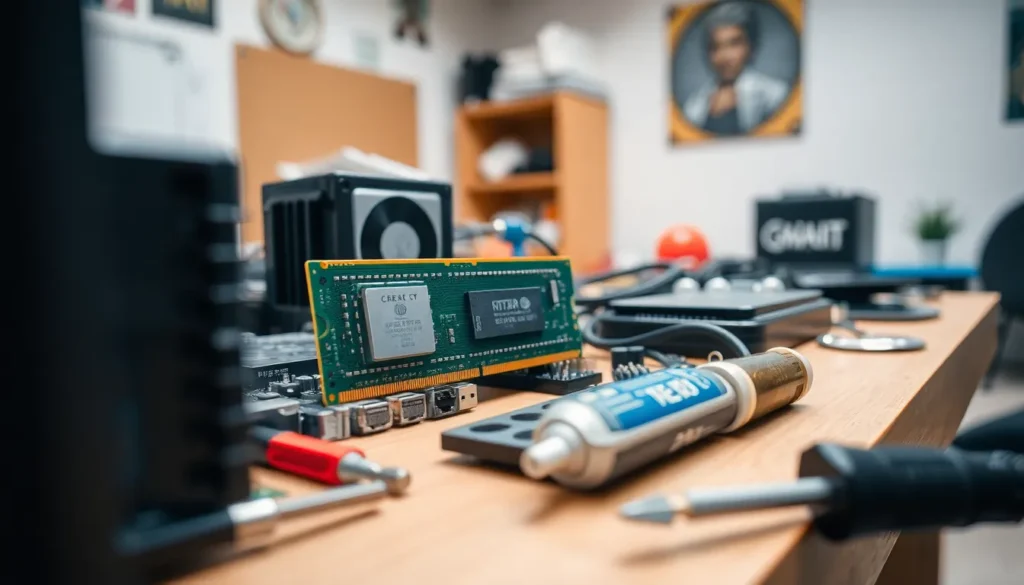
Understanding the different types of compatible hardware enhances system performance. Compatibility spans peripheral devices and internal components, each playing a vital role in overall functionality.
Peripheral Devices
Peripheral devices provide essential functionality to a computer system. Key examples include printers, keyboards, mice, and monitors. These devices often connect via USB, HDMI, or other ports. Compatibility relies on specifications, such as supported protocols or connections. For instance, a monitor must align with the graphics card’s output capacity. Manufacturers frequently offer compatibility lists for peripherals, ensuring devices integrate smoothly without conflicts or issues.
Internal Components
Internal components form the backbone of a computer system. This category includes CPUs, motherboards, RAM, and storage drives. Each must meet specific criteria for compatibility. A CPU requires a compatible motherboard socket type. Memory modules need matching specifications, like DDR versions, for optimal performance. Storage drives also depend on interface types, such as SATA or NVMe, while also considering power and thermal limits. Choosing compatible internal components enhances performance and protects against system instabilities.
Benefits of Using Compatible Hardware
Using compatible hardware guarantees optimal performance and stability in any computer system. Compatibility among components leads to several key benefits for users, particularly in areas of performance and longevity.
Enhanced Performance
Enhanced performance results when all hardware components work seamlessly together. Matching components, such as CPUs and motherboards, ensures better functionality. The use of compatible graphics cards improves graphics rendering, enhancing gaming experiences and visual portrayals. Memory modules designed to complement the mainboard offer quicker data processing, significantly boosting system speed. Users notice smoother operation and decreased lag when the right components mesh well. Manufacturers often specify compatibility for optimal configurations, ensuring that components meet performance expectations.
Increased Longevity
Increased longevity becomes evident with the right compatible hardware selections. Components designed to function together maintain stability over time. Brands often engineer products that maximize lifespan, preventing issues like overheating and system crashes. Quality internal parts, like robust power supplies and efficient cooling systems, enhance overall durability. Upgrading to compatible components means retaining value in investments, as systems perform reliably for extended periods. Maintenance becomes less frequent with suitable parts, leading to less frustration and more dependable technology.
Challenges in Choosing Compatible Hardware
Choosing compatible hardware poses several challenges that can significantly impact system performance. Users often encounter hurdles in identifying compatibility and staying informed about updates.
Identifying Compatibility Issues
Compatibility issues arise when hardware components do not align with each other. Different manufacturers may specify various socket types, making it crucial to check compatibility listings. Users might overlook minor specifications, leading to the purchase of mismatched parts. Systems can experience performance issues or instabilities due to these inconsistencies. Users can avoid these problems by consulting compatibility lists provided by manufacturers. Ensuring that all components align is vital for achieving desired performance and efficiency.
Keeping Up With Updates
Technological advancements happen rapidly, complicating the landscape for hardware compatibility. Manufacturers frequently release updated models and specifications, sometimes altering compatibility standards. Users must actively monitor announcements or updates to avoid purchasing outdated hardware. Relying on outdated information can lead to incompatibility, rendering upgrades ineffective. Regularly checking for firmware updates is essential to maintain optimal functionality. Being proactive ensures that users stay informed about the latest compatible options, safeguarding against future issues.
Navigating the world of compatible hardware is essential for anyone looking to upgrade their systems. By prioritizing compatibility, users can ensure their components work harmoniously together, enhancing overall performance and longevity. This proactive approach not only maximizes the return on investment but also minimizes potential issues down the line.
Staying informed about the latest specifications and manufacturer updates is crucial in this fast-paced technological environment. With diligence and the right resources, users can make confident choices that lead to a seamless computing experience. Embracing compatible hardware paves the way for smoother operations and a more reliable system, ultimately enhancing productivity and satisfaction.


